doña Ana Rodríguez de Aza
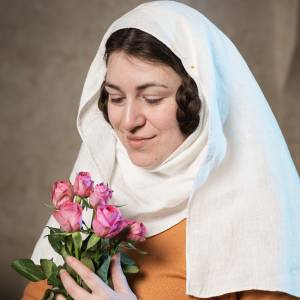
Doña Ana Rodríguez de Aza was born around 1287 as the daughter of Castilian nobleman Rodrigo Álvarez de Aza, lord of the Aza estate in northern Castile. She came from the main male line of the old de Aza family, whose members belonged to the middle landowning aristocracy, loyal to the crown and connected to more important noble houses. She spent most of her childhood on the family estate, where she received a basic education appropriate to her status. She was taught religious piety, household management, and court etiquette. Even at an early age, it was clear that her family was seeking a position for her in a more powerful family that would strengthen their social ties.
Around 1302, at the age of fifteen, Ana was sent to the household of a noble lady from the de Lara family, one of the most important aristocratic families in Castile. Here she served as a lady-in-waiting, sharing the daily life of her mistress and participating in the running of her court. Her stay with the de Lara family allowed her to learn courtly manners, establish contacts among the higher nobility, and prepare for a future marriage befitting her origins.
The year is 1312, and Doña Ana is outside the Iberian Peninsula as part of a Castilian retinue led by a lord from the Haro family. She accompanies her mistress on a journey through Europe, the aim of which is to gain political, financial, and spiritual support for a planned crusade against Moors. At this time, Ana is at a crossroads between court service and her own life path—as a noblewoman whose future has yet to be decided…


7 images
Images copyright : © 2018-2025 by Jan Jemný, Jan Drábík, Triss, Morishort, Jan Štábl, Jarda Řezáč, Sed and others